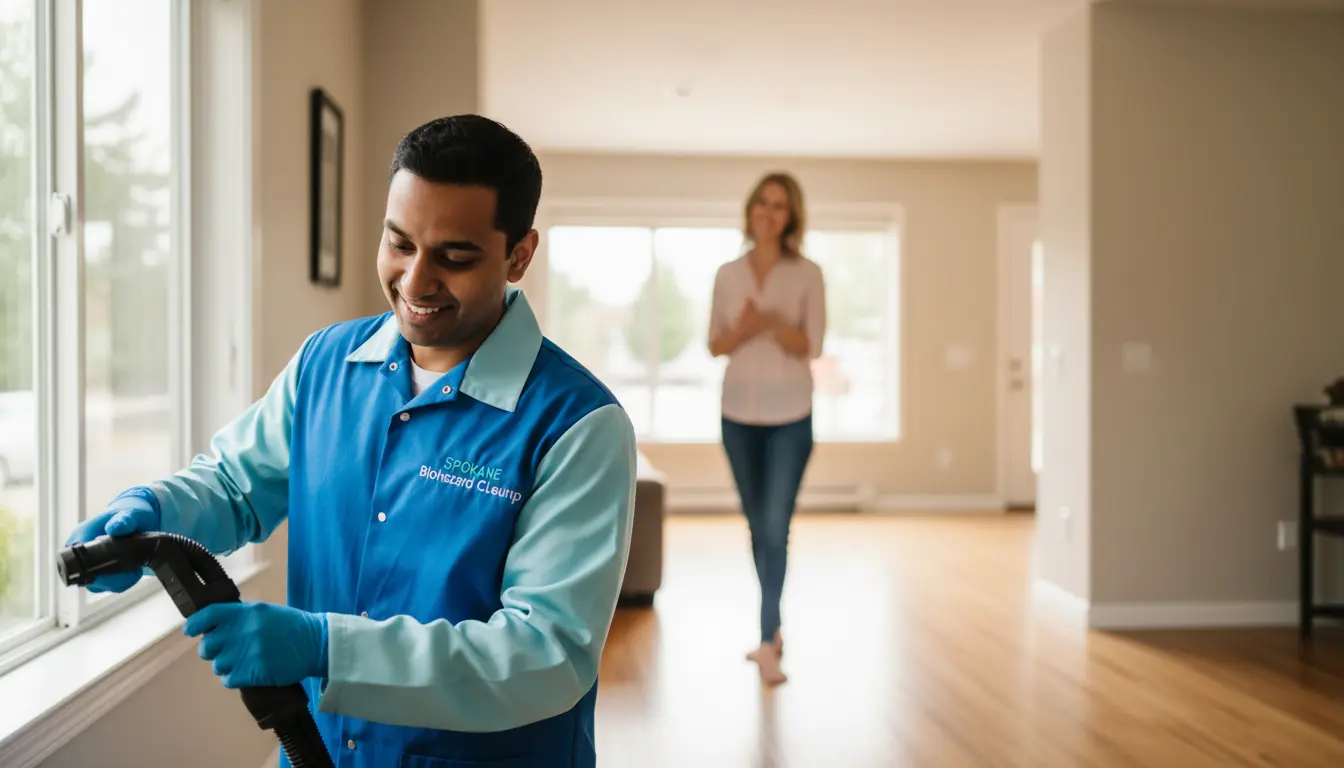
According to the Centers for Disease Control and Prevention (CDC), approximately 1 in 5 homes in the United States contain elevated levels of biohazardous materials, posing significant risks to occupants and first responders. As a landlord or property manager in Spokane, Washington, it is crucial to prioritize the health and safety of your tenants by implementing a comprehensive biohazard cleanup checklist. This proactive approach not only ensures compliance with regulatory requirements but also mitigates potential liabilities associated with neglecting biohazardous threats.
The importance of professional biohazard remediation in Spokane cannot be overstated, as the region’s unique climate and environmental conditions can exacerbate the spread of biological hazards. Spokane Biohazard Cleanup, a trusted and certified service provider, is dedicated to delivering expert solutions for property owners and managers seeking to safeguard their investments and protect the well-being of their tenants. By understanding the complexities of biohazard cleanup and the value of partnering with a reputable specialist, you can effectively minimize risks and ensure a safe living environment for your residents.
For instance, if you’re dealing with a trauma scene, it’s essential to follow a step-by-step process to ensure thorough cleanup and disinfection. You can find more information on what to do after a trauma incident and the necessary cleanup procedures. Moreover, recognizing the signs of biohazard risks in your property is crucial; you can learn more about shocking stats on biohazard risks in Spokane County and take proactive measures to prevent them.
Introduction to Biohazard Cleanup
Biohazard cleanup is a specialized process that requires careful attention to detail, adherence to regulatory guidelines, and a deep understanding of the risks associated with biological hazards. In Spokane, property owners and managers must be aware of the potential threats posed by biohazardous materials, including bloodborne pathogens, bodily fluids, and other contaminants that can compromise the health and safety of occupants.
By implementing a comprehensive biohazard cleanup checklist, you can ensure that your property is thoroughly assessed, contained, and remediated to prevent the spread of biological hazards. This process typically involves a series of steps, including scene assessment, containment, biological matter extraction, hospital-grade disinfection, and structural removal, as well as clearance testing to verify the effectiveness of the remediation efforts.
Technical Process of Biohazard Remediation
The technical process of biohazard remediation involves a range of specialized tools and equipment, including HEPA air scrubbers, hydroxyl generators, and ATP monitoring systems. These tools enable certified technicians to detect, contain, and eliminate biological hazards, ensuring that the property is restored to a safe and healthy condition.
In addition to the use of specialized equipment, biohazard remediation technicians must also adhere to strict safety protocols, including the use of personal protective equipment (PPE) and adherence to OSHA guidelines for bloodborne pathogens. By prioritizing safety and compliance, you can ensure that your property is remediated effectively and efficiently, minimizing the risk of liability and protecting the well-being of your tenants.
For example, if you’re dealing with a hoarding situation, it’s essential to follow proven steps for hoarding cleanup to ensure a safe and effective remediation process. Moreover, understanding the differences between professional biohazard remediation and standard janitorial or DIY cleaning is crucial; you can learn more about the benefits of professional biohazard removal and make informed decisions about your property’s cleanup needs.
Data Comparison Table
The following table highlights the key differences between professional biohazard remediation and standard janitorial or DIY cleaning:
| Feature/Metric | Professional Remediation | Standard/DIY Cleaning |
|---|---|---|
| Pathogen Eradication | 99.99% effective | Variable, often inadequate |
| Legal/OSHA Compliance | Adheres to regulatory guidelines | May not meet compliance standards |
| Structural Penetration | Thoroughly addresses hidden threats | May not detect or address underlying hazards |
Source: OSHA Bloodborne Pathogens Standard
Expert Insights
As a certified biohazard remediation expert, it is essential to recognize the importance of isolation protocols, HVAC cross-contamination prevention, and structural fluid seepage detection. By prioritizing these critical factors, you can ensure that your property is thoroughly remediated and protected against future biological hazards.
Additionally, it is crucial to avoid common mistakes, such as using household bleach on biological fluids, illegal disposal of medical waste, or improper use of PPE. These errors can have severe consequences, including toxic off-gassing, permanent structural damage, or significant legal liabilities. By partnering with a reputable biohazard remediation specialist, you can minimize risks and ensure a safe, healthy environment for your tenants.
For instance, if you’re dealing with a crime scene, it’s essential to follow proper crime scene cleanup procedures to ensure a safe and effective remediation process. Moreover, recognizing the importance of medical biohazard cleanup and property biohazard restoration can help you make informed decisions about your property’s cleanup needs.
Pricing
The cost of biohazard remediation services can vary depending on several factors, including the scope of the project, the type and volume of biological hazards present, and the level of complexity involved. Some common pricing structures include:
- Hourly rates for technicians and equipment
- Hazardous waste disposal fees
- Minimum call-out fees for specialized scenes
By understanding the factors that influence cost and prioritizing transparency and communication with your biohazard remediation specialist, you can ensure that your property is remediated effectively and efficiently, minimizing risks and protecting the well-being of your tenants.
Safety and Standards
Biohazard remediation is a highly regulated industry, with strict guidelines and standards in place to ensure the safety of occupants, technicians, and the environment. By prioritizing compliance with regulatory requirements, such as OSHA 29 CFR 1910.1030 and ABRA certifications, you can minimize risks and ensure a safe, healthy environment for your tenants.
Additionally, the use of EPA-registered, broad-spectrum hospital-grade disinfectants is crucial in preventing the spread of biological hazards and ensuring the effectiveness of remediation efforts. By partnering with a reputable biohazard remediation specialist, you can ensure that your property is remediated in accordance with the highest safety and standards, protecting the well-being of your tenants and minimizing potential liabilities.
FAQ Section
What is biohazard remediation, and why is it necessary?
Biohazard remediation is the process of identifying, containing, and eliminating biological hazards, such as bloodborne pathogens, bodily fluids, and other contaminants, from a property. This process is necessary to prevent the spread of diseases, minimize risks, and ensure a safe, healthy environment for occupants.
How do I know if I need biohazard remediation services?
If you suspect that your property has been compromised by biological hazards, such as a trauma scene, hoarding situation, or unattended death, it is essential to contact a certified biohazard remediation specialist to assess the situation and provide recommendations for remediation.
What are the benefits of partnering with a reputable biohazard remediation specialist?
Partnering with a reputable biohazard remediation specialist can provide numerous benefits, including minimized risks, ensured compliance with regulatory requirements, and a safe, healthy environment for occupants. Additionally, a reputable specialist can provide expert guidance, prioritize transparency and communication, and ensure that your property is remediated effectively and efficiently.
How long does the biohazard remediation process typically take?
The length of the biohazard remediation process can vary depending on several factors, including the scope of the project, the type and volume of biological hazards present, and the level of complexity involved. A certified biohazard remediation specialist can provide a detailed estimate and timeline for the remediation process, ensuring that you are informed and prepared throughout the process.
Professional Biohazard Remediation in Spokane, Washington
In conclusion, biohazard remediation is a critical process that requires careful attention to detail, adherence to regulatory guidelines, and a deep understanding of the risks associated with biological hazards. By prioritizing the health and safety of your tenants and partnering with a reputable biohazard remediation specialist, you can ensure that your property is thoroughly remediated and protected against future biological hazards.
As a trusted and certified service provider in Spokane, Washington, Spokane Biohazard Cleanup is dedicated to delivering expert solutions for property owners and managers seeking to safeguard their investments and protect the well-being of their tenants. By understanding the complexities of biohazard cleanup and the value of partnering with a reputable specialist, you can effectively minimize risks and ensure a safe living environment for your residents.