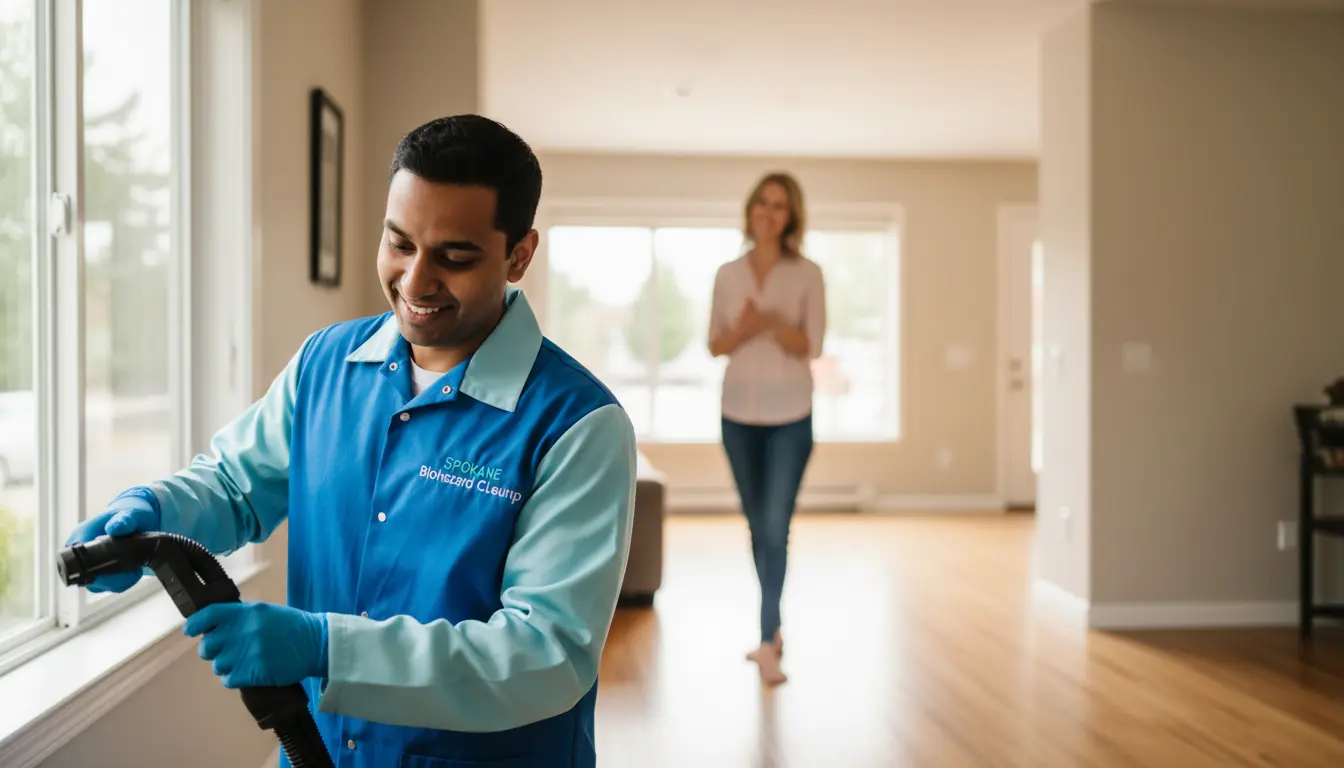
Contrary to popular belief, a significant portion of biohazard incidents in Spokane Valley are not immediately apparent, making prompt and professional intervention crucial for preventing long-term health risks and property damage. As a result, Spokane Valley property managers are increasingly seeking guidance on emergency biohazard services to ensure the well-being of their tenants and the integrity of their properties. The primary concern for these managers is not just the immediate cleanup but also the prevention of future incidents and the maintenance of a safe environment. This is where a comprehensive emergency biohazard service comes into play, offering a proactive approach to biohazard management.
The importance of such services cannot be overstated, especially considering the potential for hidden biological hazards in properties. These hazards can range from mold infestations to unattended death scenes, each requiring specialized cleanup and restoration techniques to ensure the property is safe for habitation. For instance, in cases of unattended death cleanup, the risk of bloodborne pathogen transmission and the need for discreet, compassionate service are paramount. Understanding these risks and the legal compliance required for their mitigation is essential for property managers aiming to protect both their tenants and their investments.
The process of biohazard remediation itself is highly technical and regulated, involving steps such as initial assessment, containment, removal of biological materials, disinfection, and final clearance testing. Each step must be executed with precision, using equipment such as HEPA air scrubbers and hydroxyl generators, to ensure not just the visible removal of contaminants but also the eradication of pathogens at a cellular level. Moreover, the choice of disinfectants and deodorization methods must be tailored to the specific conditions of the incident, including the type of biohazard, the affected materials, and the local environmental factors such as temperature and humidity.
Technical Process of Biohazard Remediation
The technical process of biohazard remediation is complex and requires a deep understanding of both the biological hazards involved and the legal regulations that govern their cleanup. For example, in crime scene cleanup, the potential for biohazardous materials is high, and the cleanup must be conducted in a manner that preserves evidence while ensuring the safety of the cleanup personnel and future occupants of the property. This involves the use of personal protective equipment (PPE), careful containment and removal of hazardous materials, and thorough disinfection and decontamination of all affected areas.
Furthermore, the remediation process must also consider the psychological impact of the incident on those affected. This includes providing compassionate and discreet services, especially in cases of suicide cleanup or homicide scene remediation, where the need for sensitivity and understanding is paramount. By addressing both the physical and psychological aspects of biohazard incidents, property managers can ensure that their properties are not only safe but also respectful of the individuals involved.
Data Comparison
When considering biohazard remediation services, it’s essential to understand the differences between professional remediation and standard or DIY cleaning methods. The following comparison highlights the key distinctions:
| Feature/Metric | Professional Remediation | Standard/DIY Cleaning |
|---|---|---|
| Pathogen Eradication | 99.99%-effective against a broad spectrum of pathogens | Variable efficacy, often ineffective against stubborn or exotic pathogens |
| Legal/OSHA Compliance | Full compliance with OSHA and local regulations, ensuring legal protection for property owners | Potential for non-compliance, leading to legal liabilities and fines |
| Structural Penetration | Assessment and mitigation of biohazard penetration into structural elements, ensuring long-term property integrity | Limited or no consideration for deep-seated biohazards, potentially leading to future issues |
Source: OSHA Bloodborne Pathogens Standard
Expert Insights
For property managers in Spokane Valley, several expert insights can significantly enhance their approach to biohazard management. Firstly, understanding the importance of isolation protocols for affected rooms can prevent the spread of biohazards to other parts of the property. Secondly, recognizing the danger of HVAC cross-contamination can help in implementing measures to prevent the airborne spread of pathogens. Lastly, being aware of the signs of structural fluid seepage can facilitate early intervention, reducing the complexity and cost of remediation.
Common mistakes made by property owners include the use of household bleach on biological fluids, which can lead to toxic off-gassing and incomplete pathogen eradication, and the improper disposal of medical waste, which can result in legal and environmental issues. By avoiding these mistakes and opting for professional biohazard remediation services, property managers can ensure compliance with regulations, protect their properties, and safeguard the health and well-being of their tenants.
Pricing and Cost Factors
The cost of biohazard remediation services can vary widely depending on several factors, including the depth of biological fluid penetration, the volume of regulated medical waste, and the specific protocols required for the incident. For instance, cases involving blood spill removal may require specialized equipment and procedures, affecting the overall cost. Additionally, the need for odor elimination services can add to the cost, especially if the incident has resulted in significant odor permeation into structural elements or contents.
By understanding these cost factors and the benefits of professional remediation, property managers can make informed decisions about their biohazard management strategies, balancing the need for effective remediation with the constraints of their budgets.
Safety and Standards
The safety and standards aspect of biohazard remediation is critical, involving adherence to regulations such as OSHA 29 CFR 1910.1030 and the use of EPA-registered disinfectants. Compliance with these standards not only ensures the safety of occupants and cleanup personnel but also protects property owners from legal liabilities. Moreover, the use of infectious waste disposal services that follow local and federal guidelines can prevent environmental contamination and ensure that all biohazardous materials are handled and disposed of properly.
FAQs
What is the difference between biohazard remediation and standard cleaning services?
Biohazard remediation involves the specialized cleanup and disinfection of areas contaminated with biological hazards such as blood, bodily fluids, and feces. It requires specific training, equipment, and adherence to strict safety protocols to ensure the complete eradication of pathogens and the prevention of cross-contamination. Standard cleaning services, on the other hand, are designed for general cleanliness and do not address the unique challenges posed by biohazards.
How do I know if I need professional biohazard remediation services?
The need for professional biohazard remediation services is typically determined by the presence of biological hazards that pose a risk to health and safety. This can include situations such as unattended deaths, crime scenes, mold infestations, and sewage backups. If you are unsure whether a situation requires professional remediation, it is always best to err on the side of caution and consult with a biohazard remediation expert.
What are the legal implications of not properly remediating a biohazard incident?
The legal implications of not properly remediating a biohazard incident can be severe, including fines, lawsuits, and potential criminal charges. Property owners have a legal responsibility to ensure that their properties are safe for occupants, and failure to remediate biohazards can lead to claims of negligence. Moreover, non-compliance with regulations such as OSHA standards can result in additional legal and financial penalties.
Can biohazard remediation services be covered by insurance?
In many cases, biohazard remediation services can be covered by insurance, depending on the policy and the nature of the incident. It is essential to review your insurance policy and consult with your insurance provider to understand what is covered and what is not. Even if insurance does not cover the full cost of remediation, the investment in professional biohazard services can be crucial for preventing long-term damages and ensuring the safety and well-being of occupants.
Conclusion
In conclusion, the importance of professional biohazard remediation services for Spokane Valley property managers cannot be overstated. By understanding the technical process, legal compliance, and cost factors involved in biohazard remediation, property managers can make informed decisions that protect their properties, ensure the safety of their tenants, and prevent legal and financial liabilities. For those in need of property biohazard restoration services, consulting with a reputable and experienced provider is the first step towards resolving biohazard incidents safely and effectively.
Given the complexities and risks associated with biohazard incidents, it is crucial for property managers to have a trusted partner for biohazard remediation. Spokane Biohazard Cleanup, with its expertise in medical biohazard cleanup and commitment to compassionate service, is well-positioned to meet the needs of property managers in Spokane Valley. By choosing professional biohazard remediation services, property managers can ensure that their properties are restored to a safe and healthy condition, providing peace of mind for both the managers and the tenants.