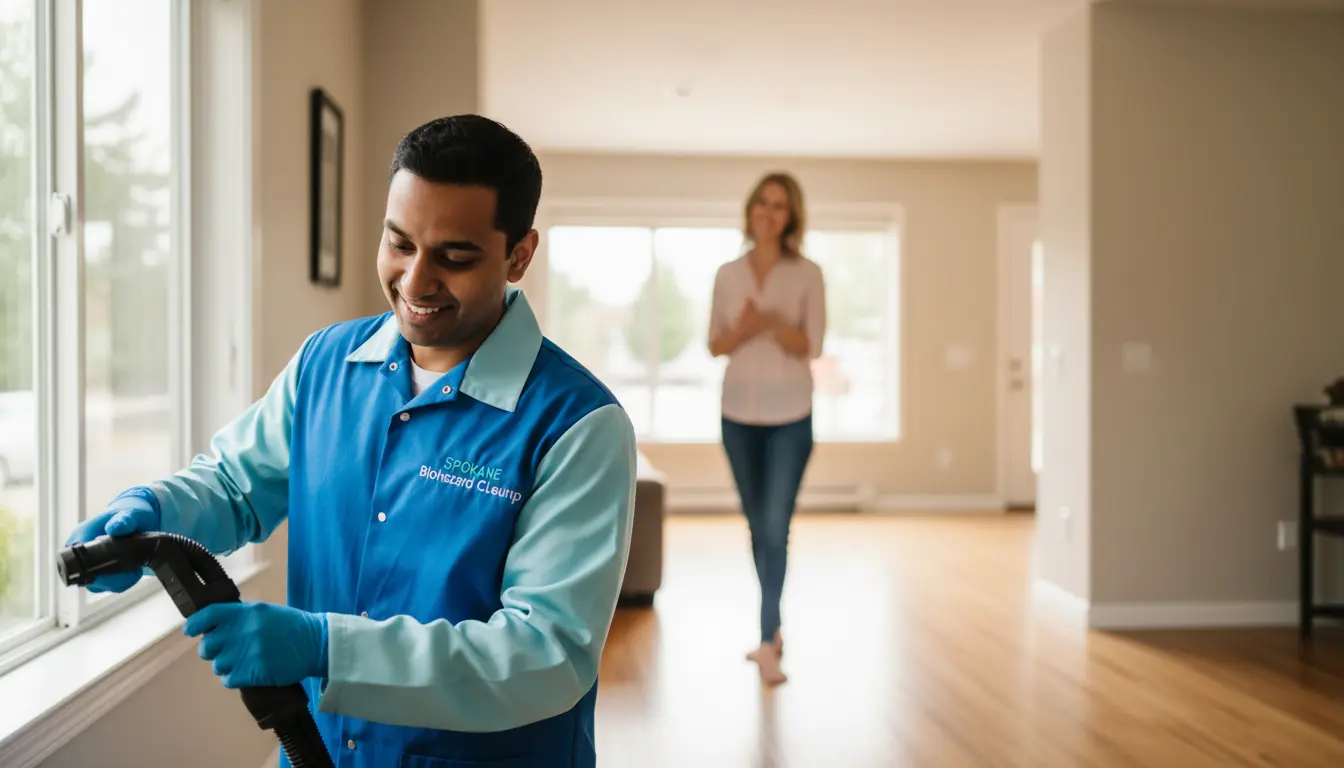
Contrary to popular belief, sewage contamination in homes is not just a matter of cleaning up a messy spill. In fact, it poses significant health risks to occupants and requires specialized handling to prevent long-term damage. In Eastern Washington, where extreme temperature fluctuations can accelerate decomposition and odor permeation, it’s crucial to address sewage contamination promptly and professionally. This is why Spokane Biohazard Cleanup is the go-to service provider for biohazard remediation in the area, including Liberty Lake, Airway Heights, and Spokane Valley.
The dangers of sewage contamination are multifaceted, ranging from the spread of infectious diseases to the degradation of structural integrity in homes. When sewage backups occur, they can release harmful pathogens, including bacteria, viruses, and parasites, into the environment. These microorganisms can survive on surfaces for extended periods, posing a continuous threat to health. Moreover, the moisture from sewage can lead to mold growth, further complicating the remediation process.
Given these risks, it’s essential to understand that DIY cleaning or standard janitorial services are insufficient for handling sewage contamination. Professional biohazard remediation, such as that provided by Spokane Biohazard Cleanup, involves a comprehensive approach that includes assessment, containment, removal of contaminated materials, disinfection, and clearance testing to ensure the environment is safe for occupancy.
Technical Process of Biohazard Remediation
The technical process of biohazard remediation begins with a thorough assessment of the contaminated area to identify the extent of the damage and the specific risks present. This assessment informs the development of a customized remediation plan, which may involve the use of specialized equipment such as HEPA air scrubbers to remove airborne pathogens and particulate matter, and hydroxyl generators to break down volatile organic compounds (VOCs) and eliminate odors.
Following assessment, the area is contained to prevent cross-contamination into unaffected parts of the home or adjacent properties. This containment is crucial in preventing the spread of pathogens and in controlling the environment to ensure effective remediation. Personnel involved in the remediation process wear specialized personal protective equipment (PPE) to safeguard against exposure to biohazards.
Removal of contaminated materials, such as carpeting, drywall, and insulation, is typically necessary. These materials are disposed of as biohazardous waste, following all relevant regulations and guidelines to prevent environmental contamination and health risks. After removal, the area undergoes hospital-grade disinfection to eradicate any remaining pathogens. This process involves the use of EPA-registered disinfectants effective against a broad spectrum of microorganisms.
Finally, clearance testing, often using ATP (adenosine triphosphate) fluorescence testing, is conducted to verify that the remediation has been successful and the area is safe for re-occupancy. This testing measures the level of organic matter, indicating the presence or absence of microbial contamination.
Data Comparison
To understand the importance of professional biohazard remediation, it’s helpful to compare it with standard janitorial or DIY cleaning methods. The table below highlights key differences in pathogen eradication, legal/OSHA compliance, and structural penetration.
| Feature/Metric | Professional Remediation | Standard/DIY Cleaning |
|---|---|---|
| Pathogen Eradication | 99.99%+ using specialized disinfectants and protocols | Variable, often incomplete, with household cleaners |
| Legal/OSHA Compliance | Full compliance with regulations, ensuring safety and legal protection | Non-compliant, risking legal liabilities and health hazards |
| Structural Penetration | Addresses contamination in subflooring, drywall, and other structures | Typically only surface-level cleaning, missing embedded contaminants |
Source: OSHA Bloodborne Pathogens Standard and ABRA Guidelines.
Expert Insights
For individuals facing sewage contamination, several expert tips can make a significant difference in the remediation outcome. First, it’s crucial to isolate the affected area immediately to prevent cross-contamination. Second, recognizing the signs of structural fluid seepage, such as warping or discoloration of floors and walls, is vital for ensuring that all contaminated materials are identified and removed. Third, understanding the dangers of HVAC cross-contamination can help prevent the spread of pathogens through the home’s heating and cooling system.
Common mistakes made by property owners include using household bleach on biological fluids, which can produce toxic fumes and is often ineffective against a broad spectrum of pathogens. Another mistake is the improper disposal of biohazardous materials, which can lead to legal and environmental issues. Finally, the failure to use proper personal protective equipment (PPE) during cleanup can result in exposure to harmful pathogens.
Pricing Considerations
The cost of professional biohazard remediation can vary significantly based on several factors, including the extent of the contamination, the volume of biohazardous waste, and the need for specialized equipment or protocols. Some services may charge hourly rates, while others may provide a flat fee for their services. Additional costs may include hazardous waste disposal fees and the cost of replacing contaminated materials.
- Hourly rates for remediation services can range from $100 to $300 per hour, depending on the complexity of the job and the qualifications of the technicians.
- Hazardous waste disposal fees can add $500 to $2,000 or more to the total cost, depending on the volume and type of waste.
- The cost of replacing contaminated materials, such as flooring and drywall, can vary widely but is often necessary to ensure the health and safety of the occupants.
Safety and Standards
The safety and standards adhered to by professional biohazard remediation services are critical for protecting both the occupants of the home and the technicians performing the remediation. Services like Spokane Biohazard Cleanup adhere to strict guidelines set forth by OSHA, the American Bio-Recovery Association (ABRA), and local health authorities. These guidelines dictate everything from the use of personal protective equipment (PPE) to the proper disposal of biohazardous waste.
The use of EPA-registered, broad-spectrum disinfectants is a standard practice in the industry, ensuring that all known pathogens are effectively eradicated. Moreover, services must comply with Washington State Department of Ecology regulations regarding waste disposal, ensuring that biohazardous materials are handled and disposed of in a manner that protects both human health and the environment.
Frequently Asked Questions
What is the first step in addressing sewage contamination in my home?
The first step in addressing sewage contamination is to contact a professional biohazard remediation service. They will assess the situation, contain the area to prevent further contamination, and develop a plan for remediation. It’s crucial not to attempt to clean the area yourself, as this can spread the contamination and put you at risk of exposure to harmful pathogens.
How long does the biohazard remediation process typically take?
The duration of the biohazard remediation process can vary significantly depending on the extent of the contamination, the size of the affected area, and the specific protocols required for remediation. In some cases, the process can be completed within a few hours, while more complex scenarios may require several days or even weeks to ensure that all contaminated materials are removed and the area is thoroughly disinfected.
Is it safe to stay in my home during the remediation process?
It’s generally recommended to vacate the premises during the remediation process to avoid exposure to pathogens and chemicals used in the disinfection process. However, this can depend on the extent of the contamination and the specific protocols being used. Your remediation service provider can advise on the safest course of action based on your specific situation.
How can I prevent sewage contamination in my home?
Preventing sewage contamination involves regular maintenance of your home’s plumbing system, including checking for signs of wear or damage on pipes, ensuring that your sewer lines are clear, and being mindful of what you flush down your toilets and drains. Additionally, consider having a backup prevention system installed, especially if you live in an area prone to heavy rainfall or flooding.
Conclusion
In conclusion, safely handling sewage contamination in homes near you requires a professional and compassionate approach. Spokane Biohazard Cleanup stands as a reliable and authoritative service provider in Eastern Washington, equipped to handle the complexities of biohazard remediation with expertise and care. Whether you’re facing a sewage backup, dealing with the aftermath of a traumatic event, or simply seeking advice on preventing biohazard risks, their team is dedicated to providing peace of mind and ensuring that your environment is safe and healthy.
For more information on biohazard cleanup and related services, such as crime scene cleanup and hoarding remediation, visit the Spokane Biohazard Cleanup blog. Remember, when it comes to your health, safety, and the integrity of your home, only trust professionals who adhere to the highest standards of biohazard remediation.