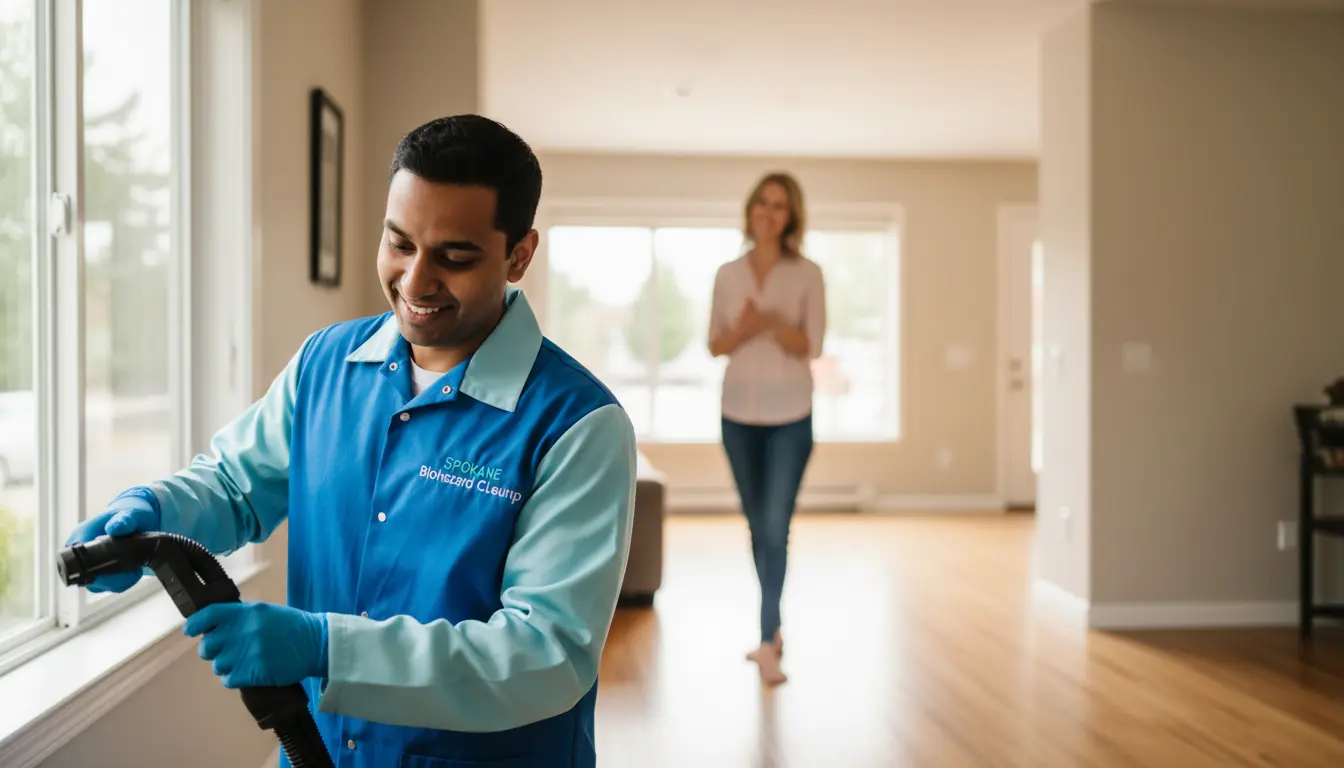
As a certified biohazard remediation expert in Spokane, I’ve witnessed firsthand the devastating aftermath of severe contamination incidents. A recent case that still resonates with me involved a local family who suffered a traumatic event in their home, leaving behind a scene that required immediate attention from professionals like myself. The family was understandably distraught, and it was our duty to not only restore their home to a safe and habitable condition but also to provide them with the compassion and discretion they deserved during such a difficult time.
The primary concern in such situations is the health and safety of those who have been exposed to the contaminated environment. Biohazardous materials, such as blood and other bodily fluids, can harbor pathogens that pose significant risks to human health. It’s crucial that these situations are handled by professionals who understand the risks and have the training and equipment necessary to mitigate them. In Spokane, where I operate, the unique challenge of Eastern Washington’s extreme seasonal temperature swings must be considered, as it affects decomposition rates and odor permeation in homes.
Spokane Biohazard Cleanup is the premier service provider in the area, dedicated to providing authoritative, compassionate, and legally compliant biohazard remediation services. Our team is equipped with the latest technology and follows strict protocols to ensure that each scene is thoroughly decontaminated and restored to a safe condition. For those dealing with the aftermath of a trauma incident, it’s essential to know what steps to take to protect themselves and their property.
Understanding the Risks of Biohazardous Materials
Biohazardous materials can be found in various forms and can pose significant health risks if not handled properly. From bloodborne pathogens to infectious diseases, the risks associated with biohazardous materials are real and necessitate professional intervention. In Spokane, residents should be aware of the common biohazards that can affect their homes and know how to identify them.
The process of biohazard remediation is complex and requires a deep understanding of the risks involved, as well as the legal and regulatory framework that governs this type of work. Professionals in this field must be knowledgeable about OSHA regulations, such as 29 CFR 1910.1030, which deals with bloodborne pathogens, and must adhere to strict safety protocols to protect themselves and others from harm.
The Biohazard Remediation Process
The biohazard remediation process begins with a thorough assessment of the scene to identify all areas of contamination. This is followed by the containment of the affected area to prevent cross-contamination and the spread of pathogens. Biological matter is then carefully extracted, and the area is subjected to hospital-grade disinfection. The use of HEPA air scrubbers and hydroxyl generators is crucial in eliminating airborne pathogens and reducing odors.
After the disinfection process, the area is tested for clearance using ATP fluorescence testing to ensure that all biological contaminants have been eradicated. This meticulous process is essential for restoring the property to a safe condition and for providing peace of mind to the occupants. For properties affected by hoarding, proven steps for hoarding cleanup must be followed to address the unique challenges these situations present.
Data Comparison
A comparison between professional biohazard remediation and standard janitorial or DIY cleaning highlights the importance of hiring experts in this field.
| Feature/Metric | Professional Remediation | Standard/DIY Cleaning |
|---|---|---|
| Pathogen Eradication | 99.99% | Variable, often incomplete |
| Legal/OSHA Compliance | Adheres to all regulations | Often non-compliant, risking legal liabilities |
| Structural Penetration | Addresses deep contamination | Superficial cleaning, may miss hidden contaminants |
Source: OSHA Bloodborne Pathogens Standard
Expert Insights
As an expert in biohazard remediation, I can attest to the importance of proper isolation protocols for affected rooms to prevent cross-contamination. Moreover, recognizing structural fluid seepage is critical, as it can lead to ongoing contamination issues if not properly addressed. The danger of HVAC cross-contamination is also a significant concern, as it can spread pathogens throughout a building.
Common mistakes made by property owners include the improper use of household bleach on biological fluids, which can actually increase the risk of pathogen spread, and the illegal disposal of medical waste, which can lead to severe legal and environmental consequences. Understanding when biohazard cleanup is necessary can help prevent these mistakes and ensure a safe and compliant remediation process.
Pricing and Factors Influencing Cost
The cost of biohazard remediation services can vary based on several factors, including the depth of biological fluid penetration into subflooring or drywall, the total volume of regulated medical waste that needs to be manifest and disposed of, and specific infectious disease protocols that must be followed. Additionally, the use of specialized equipment such as hydroxyl generators or the need for extensive structural removal can impact the overall cost.
While it’s difficult to provide an exact cost without assessing the situation, our services are priced based on an hourly rate, with additional fees for hazardous waste disposal and other specialized services as needed. For emergency situations, fast response times are critical, and our team is equipped to handle these situations efficiently and effectively.
Safety and Standards
Safety is paramount in biohazard remediation, and our team adheres to the highest standards of safety and compliance. This includes following OSHA regulations, such as 29 CFR 1910.1030, and using EPA-registered, broad-spectrum hospital-grade disinfectants. The practical importance of these protocols cannot be overstated, as they protect not only our team but also future occupants of the property and prevent outbreaks.
For situations involving crime scenes, proper handling and cleanup are essential to preserve evidence and ensure a safe environment for investigation and subsequent occupation. Understanding the risks associated with biohazards in Spokane County can help individuals and families take proactive steps to protect themselves and their properties.
Frequently Asked Questions
What is the difference between biohazard remediation and standard cleaning services?
Biohazard remediation involves the removal and disinfection of biohazardous materials, such as blood and bodily fluids, which can pose significant health risks. Standard cleaning services do not have the training, equipment, or protocols in place to safely handle these types of materials, making biohazard remediation a specialized service that requires professional expertise.
How long does the biohazard remediation process typically take?
The length of the biohazard remediation process can vary significantly depending on the extent of the contamination, the size of the affected area, and the specific protocols that must be followed. In some cases, the process can be completed in a matter of hours, while more complex situations may require several days or even weeks to ensure that the area is thoroughly decontaminated.
Is biohazard remediation covered by insurance?
In many cases, biohazard remediation is covered by insurance, depending on the policy and the circumstances of the incident. It’s essential to review your insurance policy or contact your insurance provider to understand what is covered and what steps you need to take to file a claim. For situations involving medical biohazard cleanup, understanding your insurance options can help alleviate some of the financial burdens associated with these services.
Can I perform biohazard remediation myself?
No, it is not recommended to attempt biohazard remediation yourself. Biohazardous materials pose significant health risks, and improper handling can lead to serious illness or even death. Additionally, DIY attempts at biohazard remediation can often spread contamination, making the situation worse and increasing the risk of legal and financial liabilities. For a safe and compliant remediation, it’s crucial to hire professionals who are trained and equipped to handle these situations.
Conclusion
In conclusion, the process of biohazard remediation is complex, requiring specialized knowledge, equipment, and protocols to ensure that contaminated properties are restored to a safe condition. At Spokane Biohazard Cleanup, we are committed to providing the highest level of service, compassion, and expertise to those in need. Whether you’re dealing with the aftermath of a traumatic event, a medical emergency, or any other situation involving biohazardous materials, we stand ready to help. Remember, the health and safety of you and your loved ones are paramount, and seeking professional help is the first step towards recovery and peace of mind.
For more information on our services or to schedule an appointment, please visit our website at Cleansceneswa.Com or contact us directly. We serve various areas including Liberty Lake, Airway Heights, and the broader Spokane region, providing property biohazard restoration and other specialized services with discretion and professionalism.