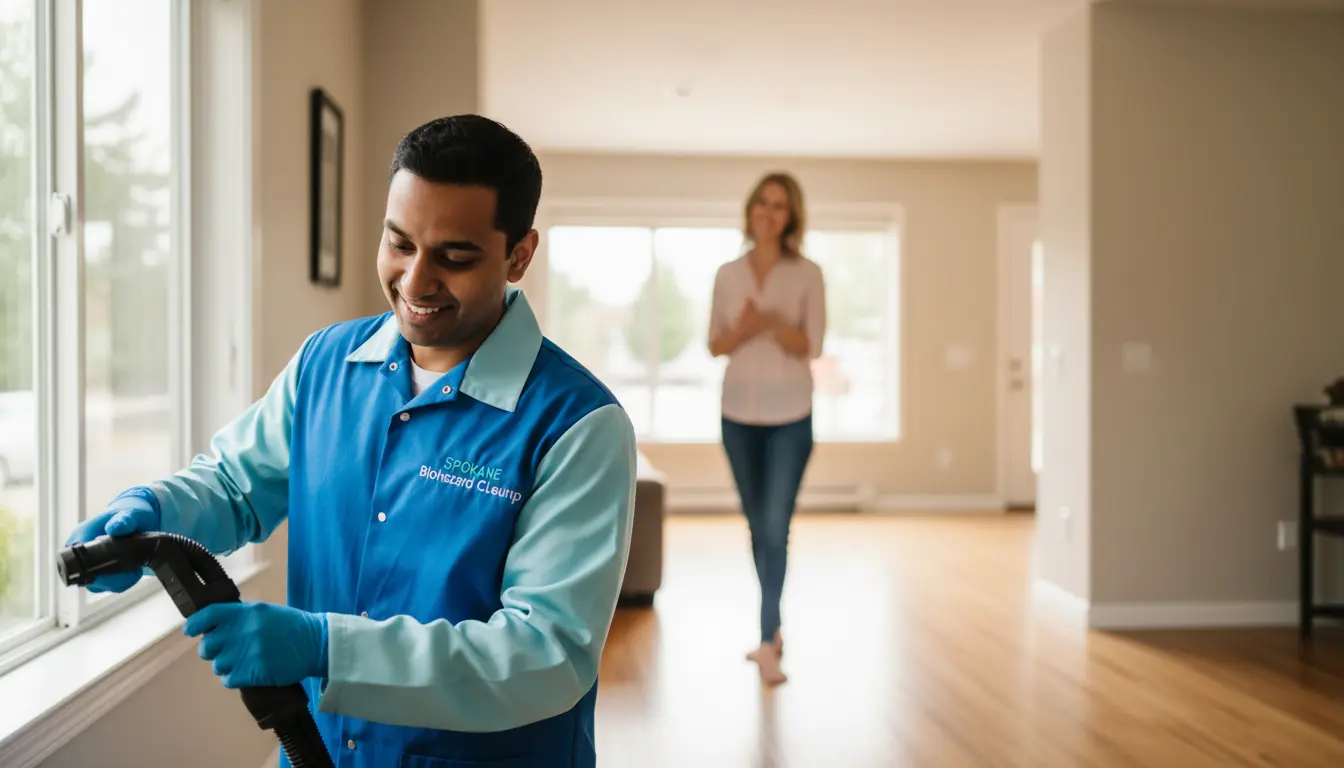
As I stepped into the dimly lit room, the smell of decay and trauma hit me like a punch to the gut. It was a scene that no one should ever have to witness, yet it was my job as a Certified Biohazard Remediation Expert to ensure that the environment was safe for the family to return to. The importance of professional trauma cleanup cannot be overstated, especially in areas like Five Mile Prairie, where the risk of biological hazards and psychological trauma is ever-present.
In such situations, it’s crucial to understand that trauma cleanup is not just about removing visible signs of trauma but also about eradicating the invisible threats that can linger long after the incident. This is where the expertise of a professional biohazard remediation service like Spokane Biohazard Cleanup comes into play. With years of experience in handling sensitive and dangerous situations, they provide a comprehensive and compassionate approach to restoring environments and providing peace of mind to those affected.
The process of trauma cleanup is complex and requires a deep understanding of the risks involved. From the initial assessment to the final clearance testing, every step is crucial in ensuring that the environment is safe for future occupants. This is why it’s essential to choose a service provider that is not only knowledgeable but also equipped with the latest technology and techniques to handle the job efficiently and effectively.
Trauma Cleanup Process
The trauma cleanup process begins with a thorough assessment of the scene to identify potential biological hazards and determine the best course of action. This is followed by the containment of the affected area to prevent cross-contamination and the spread of pathogens. The next step involves the removal of biological matter and the disinfection of all surfaces using hospital-grade disinfectants. This is a critical step in preventing the spread of diseases and ensuring that the environment is safe for future occupants.
One of the most important aspects of trauma cleanup is the use of specialized equipment and personal protective gear (PPE) to prevent exposure to biological hazards. This includes the use of HEPA air scrubbers, hydroxyl generators, and ATP monitoring systems to detect and eradicate pathogens. The choice of equipment and PPE depends on the specific conditions of the scene and the type of biological hazards present.
Importance of Professional Biohazard Remediation
While it may be tempting to attempt to clean up a trauma scene on your own, it’s essential to understand the risks involved. Biological hazards can be deadly, and improper handling can lead to serious health consequences. Moreover, the use of household cleaning products can actually make the situation worse by spreading pathogens and creating an environment conducive to the growth of bacteria and viruses.
A professional biohazard remediation service like Spokane Biohazard Cleanup has the training, equipment, and expertise to handle the job safely and effectively. They understand the importance of containment, disinfection, and clearance testing to ensure that the environment is safe for future occupants. Moreover, they are equipped to handle the emotional and psychological aspects of trauma cleanup, providing a compassionate and discreet service that respects the privacy and dignity of those affected.
Common Mistakes to Avoid
One of the most common mistakes that property owners make when dealing with a trauma scene is attempting to clean it up themselves. This can lead to serious health consequences and even legal liabilities. Another mistake is the use of household cleaning products, which can actually make the situation worse. It’s also important to avoid touching or handling any biological matter, as this can lead to the spread of pathogens and create an environment conducive to the growth of bacteria and viruses.
For more information on what to do after a trauma incident, visit our page on What To Do After A Trauma Incident Spokane Cleanup Tips. We also provide guidance on Proven Steps For Hoarding Cleanup In Eastern Washington and How To Handle Crime Scene Cleanup In Washington State.
Pricing and Cost Factors
The cost of trauma cleanup can vary widely depending on the extent of the damage, the type of biological hazards present, and the equipment and personnel required to handle the job. Some of the factors that influence the cost include the depth of biological fluid penetration into subflooring or drywall, the total volume of regulated medical waste, and the specific infectious disease protocols required.
At Spokane Biohazard Cleanup, we understand that the cost of trauma cleanup can be a significant burden, especially in situations where the incident was unexpected and unplanned. That’s why we offer competitive pricing and flexible payment options to help make the process as manageable as possible. Our pricing structure includes hourly rates, hazardous waste disposal fees, and minimum call-out fees for specialized scenes.
Safety and Standards
Safety is our top priority at Spokane Biohazard Cleanup. We adhere to the highest standards of safety and compliance, including OSHA 29 CFR 1910.1030, ABRA certifications, and Washington State Department of Ecology waste disposal laws. Our technicians are trained to handle the most sensitive and dangerous situations, and we use only EPA-registered, broad-spectrum hospital-grade disinfectants to ensure that the environment is safe for future occupants.
FAQs
What is the difference between trauma cleanup and standard cleaning?
Trauma cleanup involves the removal and disinfection of biological hazards, such as blood and bodily fluids, from a scene. This requires specialized equipment and training to ensure that the environment is safe for future occupants. Standard cleaning, on the other hand, involves the removal of dirt and debris from surfaces and does not require the same level of expertise or equipment.
How long does the trauma cleanup process take?
The length of time required for trauma cleanup can vary widely depending on the extent of the damage and the type of biological hazards present. In some cases, the process can be completed in a matter of hours, while in other cases, it may take several days or even weeks to ensure that the environment is safe for future occupants.
What kind of equipment and PPE do technicians use during trauma cleanup?
Technicians use a variety of equipment and PPE during trauma cleanup, including HEPA air scrubbers, hydroxyl generators, ATP monitoring systems, and specialized personal protective gear (PPE) such as gloves, masks, and suits. The choice of equipment and PPE depends on the specific conditions of the scene and the type of biological hazards present.
Can I clean up a trauma scene myself?
No, it’s not recommended to attempt to clean up a trauma scene yourself. Biological hazards can be deadly, and improper handling can lead to serious health consequences. Moreover, the use of household cleaning products can actually make the situation worse by spreading pathogens and creating an environment conducive to the growth of bacteria and viruses.
Conclusion
In conclusion, trauma cleanup is a complex and sensitive process that requires specialized equipment, training, and expertise. At Spokane Biohazard Cleanup, we understand the importance of providing a comprehensive and compassionate approach to restoring environments and providing peace of mind to those affected. If you or someone you know is in need of trauma cleanup services, don’t hesitate to contact us. We are here to help.
We also invite you to visit our page on 5 Signs You Need Biohazard Cleanup In Spokane Now and our Medical Biohazard Cleanup services to learn more about our services and expertise.
For more information about our company and services, visit our About Us page and our Services page. You can also visit our Areas We Serve page to learn more about the areas we serve, including Liberty Lake, Airway Heights, and Spokane Valley.