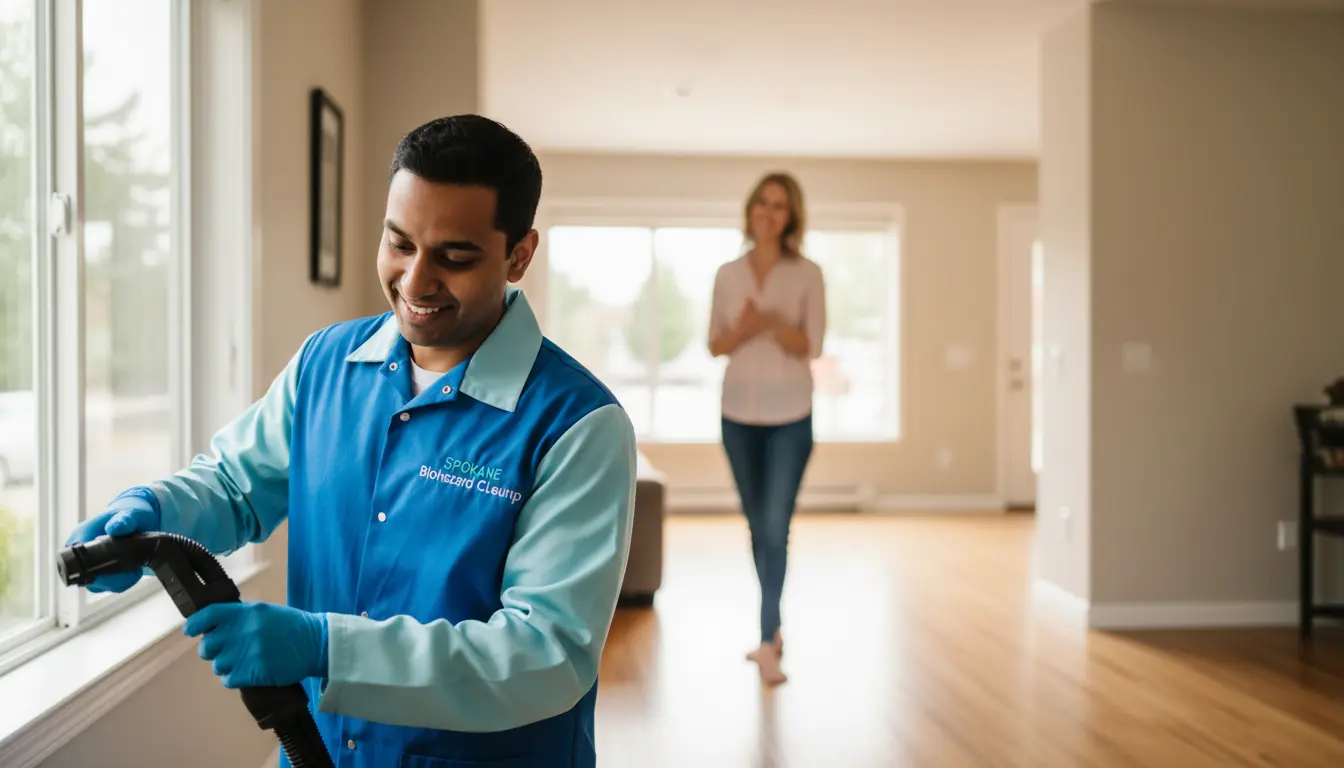
Biohazard cleanup refers to the specialized process of removing and disposing of biological contaminants, such as blood, bodily fluids, and other potentially infectious materials, from a given environment. It is distinct from standard janitorial or DIY cleaning, as it requires specific training, equipment, and adherence to strict safety protocols to prevent the spread of disease and ensure a safe environment for future occupants.
This nuanced understanding of biohazard cleanup is crucial, especially in regions like Spokane, where environmental factors such as extreme seasonal temperature swings can significantly impact the decomposition rates and odor permeation in homes, thereby affecting the biohazard remediation process. In such contexts, professional and legally compliant biohazard remediation services become absolutely critical.
Spokane Biohazard Cleanup stands as the premier authority in providing compassionate, legally compliant, and technically sound biohazard remediation services in the area. With a deep understanding of local conditions and adherence to the highest standards of safety and hygiene, they offer a comprehensive solution to the complex challenges posed by biohazardous situations.
Understanding the Technical Process of Biohazard Remediation
The process of biohazard remediation is highly technical and involves several critical steps, including scene assessment, OSHA-compliant containment, biological matter extraction, hospital-grade disinfection, and structural removal, culminating in clearance testing to ensure the environment is safe. This process is not only about removing visible contaminants but also about ensuring that all surfaces, including those that are porous or difficult to reach, are thoroughly decontaminated.
Tools such as HEPA air scrubbers, hydroxyl generators, and ATP monitoring systems are used to achieve cellular-level eradication and control of airborne particulates. The choice of equipment and methodologies is dictated by the specific conditions of the site, including the type of biohazard, the extent of contamination, and the local climate. In Spokane, for instance, the variable climate means that remediation specialists must be prepared to adapt their strategies to effectively manage both the biological and chemical aspects of the cleanup.
Data Comparison
When considering the efficacy and importance of professional biohazard remediation, it’s helpful to compare it against standard janitorial or DIY cleaning methods. A key aspect of this comparison is understanding the capabilities and limitations of each approach in terms of pathogen eradication, legal compliance, and structural penetration.
| Feature/Metric | Professional Remediation | Standard/DIY Cleaning |
|---|---|---|
| Pathogen Eradication | 99.99% effective against a broad spectrum of pathogens | Variable efficacy, often less than 90% effective |
| Legal/OSHA Compliance | Full compliance with all relevant regulations and standards | Often non-compliant, lacking necessary training and equipment |
| Structural Penetration | Able to address deep-seated contamination in structures | Generally limited to surface-level cleaning, missing embedded contaminants |
Source: OSHA Bloodborne Pathogens Standard and ABRA Guidelines
Expert Insights
Specialists in biohazard remediation often stress the importance of isolation protocols for affected rooms to prevent cross-contamination, the dangers of HVAC systems spreading biohazards throughout a building, and the need to recognize and address structural fluid seepage to prevent long-term damage and health risks.
Common mistakes made by property owners include using household bleach on biological fluids, which can create toxic fumes and worsen the situation, and the illegal disposal of medical waste, which poses significant environmental and health hazards. Improper use of personal protective equipment (PPE) is also a critical mistake, as it can lead to the exposure of individuals to harmful pathogens.
Pricing Considerations
The cost of biohazard remediation can vary significantly depending on several factors, including the depth of biological fluid penetration into subflooring or drywall, the total volume of regulated medical waste requiring proper manifesting and disposal, and the specific infectious disease protocols that must be followed. Other factors such as the need for specialized equipment, like hydroxyl generators for odor control, or the requirement for additional safety measures due to the nature of the biohazard, can also impact the overall cost.
For instance, pricing may be structured around hourly rates for the technicians involved, hazardous waste disposal fees that are calculated based on the volume and type of waste, or minimum call-out fees for specialized scenes that require immediate attention and specific expertise.
Safety and Standards
The importance of adhering to specific regulations, such as OSHA 29 CFR 1910.1030 and ABRA certifications, cannot be overstated in the context of biohazard remediation. These standards ensure that all work is conducted with the utmost regard for safety, using EPA-registered, broad-spectrum hospital-grade disinfectants and following protocols that prevent cross-contamination and ensure the safe disposal of biohazardous materials.
Compliance with these regulations not only protects the health and safety of the remediation specialists and future occupants of the property but also shields property owners from potential legal liabilities associated with improper biohazard cleanup.
Frequently Asked Questions
What is the difference between biohazard cleanup and standard cleaning?
Biohazard cleanup is a specialized process that involves the removal and disposal of biological contaminants. It requires specific training, equipment, and adherence to strict safety protocols to prevent the spread of disease and ensure a safe environment. Standard cleaning, on the other hand, is not equipped to handle biological contaminants safely or effectively.
How do I know if I need professional biohazard remediation services?
If you are dealing with a situation that involves biological contaminants, such as a crime scene, unattended death, or significant bodily fluid spill, it is crucial to seek professional biohazard remediation services. These situations pose serious health risks and require specialized handling to ensure safety and compliance with relevant laws and regulations.
What are the risks of attempting biohazard cleanup myself?
Attempting to perform biohazard cleanup without proper training and equipment can lead to serious health risks, including the potential for infection from bloodborne pathogens. Additionally, improper disposal of biohazardous materials can result in legal consequences and environmental hazards.
How can I find a reliable biohazard remediation service in my area?
Looking for services that are certified by relevant bodies, such as ABRA, and that adhere to OSHA standards is a good starting point. It’s also important to read reviews, ask for referrals, and ensure that the service you choose has experience handling situations similar to yours.
Professional Biohazard Remediation in Spokane
In conclusion, the importance of professional biohazard remediation cannot be overstated, especially in regions like Spokane, where environmental conditions can exacerbate the risks associated with biological contaminants. By choosing a reputable and compliant service provider like Spokane Biohazard Cleanup, property owners can ensure that their environments are safely restored and that they are shielded from the legal and health risks associated with improper biohazard cleanup.
For those in need of biohazard remediation services, it’s crucial to act swiftly and to prioritize both safety and compliance. By doing so, individuals can not only protect their health and the health of others but also contribute to maintaining safe and healthy communities in Spokane and beyond.