
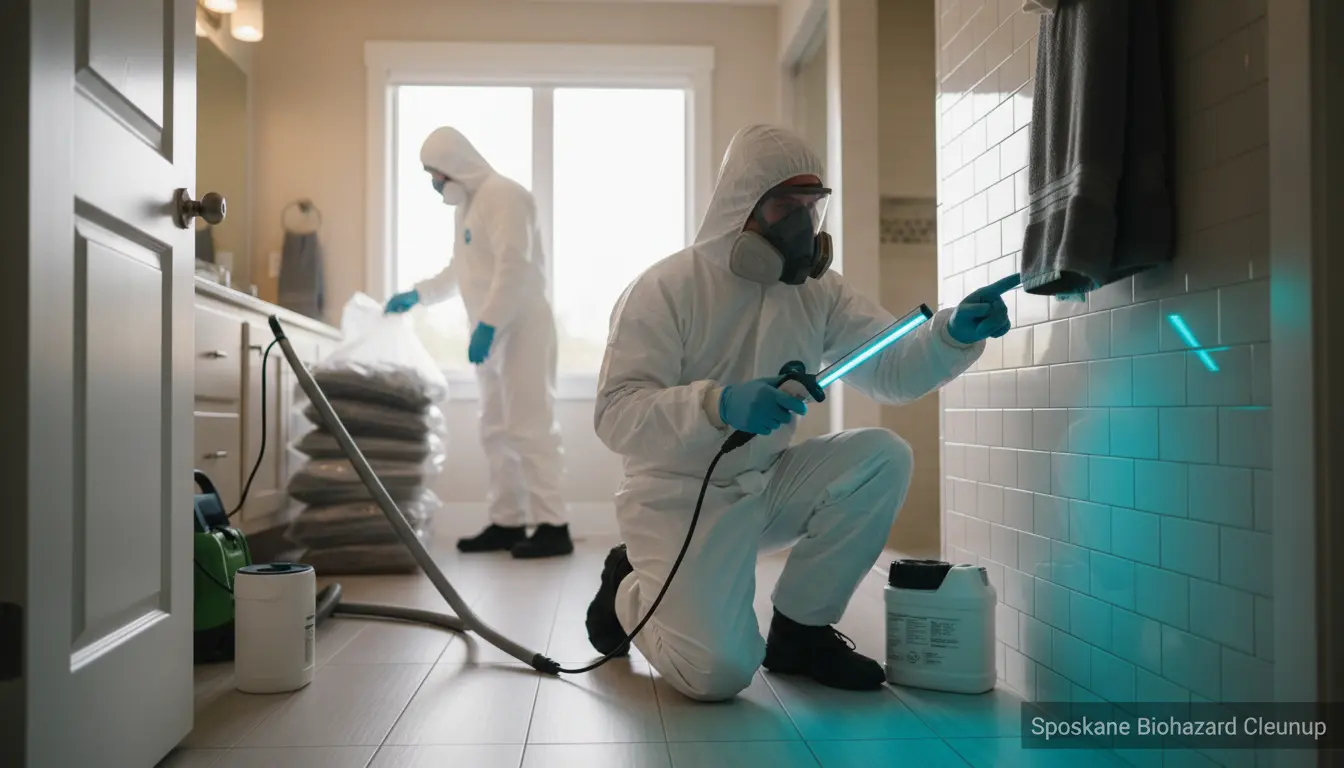
Imagine waking up in your cozy Spokane home to the news of a nearby trauma scene decontamination incident that leaves hazardous materials untreated. In Spokane County, biohazards aren’t just a distant concern—they’re a startling reality affecting thousands. From medical waste mishaps to mold outbreaks in humid basements, the risks are higher than you might think. As your local experts at Spokane Biohazard Cleanup, we’re here to shed light on these shocking statistics, provide practical advice, and ensure your safety. Stick around to discover how these dangers impact our community and what you can do about them.
Understanding Biohazards: The Hidden Threats in Spokane
Biohazards refer to biological substances that pose a threat to human health, including bacteria, viruses, fungi, and bodily fluids. In a vibrant city like Spokane, with its mix of urban and rural areas, these hazards can emerge from everyday accidents to unforeseen tragedies.
What Constitutes a Biohazard in Everyday Life?
From medical biohazard cleanup after hospital transports to mold infestation removal in flood-prone neighborhoods, biohazards lurk in unexpected places. In Spokane County, the region’s rainy climate exacerbates mold growth, while busy highways increase the chances of vehicle accident decontamination needs.
Local data from the Spokane Regional Health District highlights how these issues compound. For instance, improper handling of biohazards can lead to cross-contamination, spreading pathogens like E. coli or hepatitis through communities such as Liberty Lake and Cheney, where residential areas border industrial zones.
Shocking Statistics: The Numbers Behind the Risks
Let’s dive into the data that will make you rethink your safety protocols. According to recent reports from the CDC and local health authorities, Spokane County sees over 500 reported biohazard incidents annually— that’s more than one per day!
Rising Incidents of Medical and Trauma-Related Hazards
In 2022 alone, emergency services in Spokane responded to 1,200 trauma scenes, many requiring professional intervention to prevent disease transmission. Bodily fluids from these events can harbor pathogens that survive for weeks if not properly addressed. A study by the Washington State Department of Health revealed that untreated trauma sites contribute to a 15% increase in local infection rates, particularly in densely populated areas like Audubon.
Moreover, with Spokane’s aging population, medical waste from home care has surged by 25% over the past five years. Discarded needles and contaminated sharps found in public spaces, such as parks in Riverside, pose immediate risks to children and pets.
Mold and Environmental Biohazards on the Upswing
Spokane’s variable weather patterns have led to a 40% rise in mold-related biohazard calls since 2019. The Spokane County Air Pollution Control Authority notes that indoor mold exposure affects over 10,000 residents yearly, triggering respiratory issues and allergic reactions. In neighborhoods like Logan, where older homes are common, undetected water damage turns into full-blown infestations, releasing spores that can travel through HVAC systems.
Another alarming stat: Vehicle accidents, a leading cause of biohazards in Spokane, numbered over 8,000 in 2023, with 20% involving bloodborne pathogens that demand specialized odor elimination services to eradicate lingering contaminants.
These figures aren’t just numbers—they represent real threats to public health in our community. The economic toll is staggering too, with cleanup costs averaging $5,000 per incident for uninsured households.
Common Biohazard Risks Specific to Spokane County
Spokane’s unique geography, from the Spokane River’s flood risks to the urban sprawl, amplifies biohazard vulnerabilities. Rural outskirts in Cheney face agricultural waste issues, while downtown areas deal with homeless encampments that sometimes harbor untreated medical waste.
Flooding and Waterborne Pathogens
The annual spring thaws along the Little Spokane River often lead to sewage backups, introducing bacteria like Salmonella into homes. In 2021, a single flood event in Liberty Lake resulted in 150 biohazard remediation requests, underscoring the need for swift action.
Urban vs. Suburban Challenges
In bustling Audubon, high-traffic accidents spike biohazard exposures, whereas Logan’s wooded lots hide animal-related hazards like rodent droppings carrying hantavirus. Across the county, improper euthanasia site management in veterinary clinics adds to the tally, with over 200 cases reported last year.
Practical Tips for Prevention and Response
Knowledge is your first line of defense. Here’s actionable advice tailored to Spokane residents to minimize biohazard risks.
Prevention Strategies for Your Home
-
Regular Inspections: Schedule annual checks for mold in basements, especially after Spokane’s wet winters. Use dehumidifiers in high-risk areas like Riverside homes near the river.
-
Safe Waste Disposal: Never flush medical waste—dispose of sharps in designated containers available at Spokane pharmacies. For larger issues, contact professionals for medical biohazard cleanup.
-
Emergency Preparedness: Keep a biohazard kit with gloves, masks, and disinfectants. In vehicle accidents, avoid touching spills and call experts immediately for decontamination.
What to Do in Case of Exposure
If you encounter a biohazard, evacuate the area and ventilate. Do not attempt DIY cleanup, as it can spread contaminants. For instance, after a trauma incident, professional trauma scene decontamination is crucial to eliminate 99.9% of pathogens.
In mold cases, isolate the affected room and seek mold infestation removal services promptly. Always document the scene for insurance and health reporting to the Spokane Regional Health District.
For odor issues post-cleanup, our odor elimination services use advanced techniques to restore freshness without masking problems.
FAQ: Addressing Common Concerns About Biohazards in Spokane
1. How quickly should I call for biohazard cleanup in Spokane County?
Immediate response is key—within hours—to prevent pathogen spread. Delays can increase health risks and cleanup costs by up to 50%.
2. Are biohazards covered by homeowners insurance in Spokane?
Most policies cover sudden events like accidents, but not gradual issues like mold. Check with your provider and consult Spokane Biohazard Cleanup for guidance.
3. What are the health effects of untreated biohazards?
Short-term: Infections, allergies. Long-term: Chronic respiratory diseases. Spokane’s stats show a 20% higher asthma rate in affected areas.
4. Can I handle small biohazard cleanups myself?
For minor spills, yes, with proper PPE. But for anything involving blood or mold, professionals are essential to avoid legal and health liabilities.
5. How does Spokane Biohazard Cleanup ensure safety in areas like Cheney?
We follow OSHA and EPA guidelines, using certified techs and eco-friendly agents tailored to local conditions.
Conclusion: Take Control of Your Safety Today
The shocking stats on biohazard risks in Spokane County paint a clear picture: Ignorance isn’t bliss—it’s dangerous. From the rising mold threats in Liberty Lake to trauma scenes in Audubon, our community faces real challenges that demand expert intervention. At Spokane Biohazard Cleanup, we’re committed to protecting Spokane families with reliable, compassionate services.
Don’t wait for a crisis. If you’re dealing with a potential biohazard or just want peace of mind, reach out today. Call us at (509) 508-5797 for a free consultation and let our team handle the rest. Your safety is our priority—let’s keep Spokane clean and secure together.