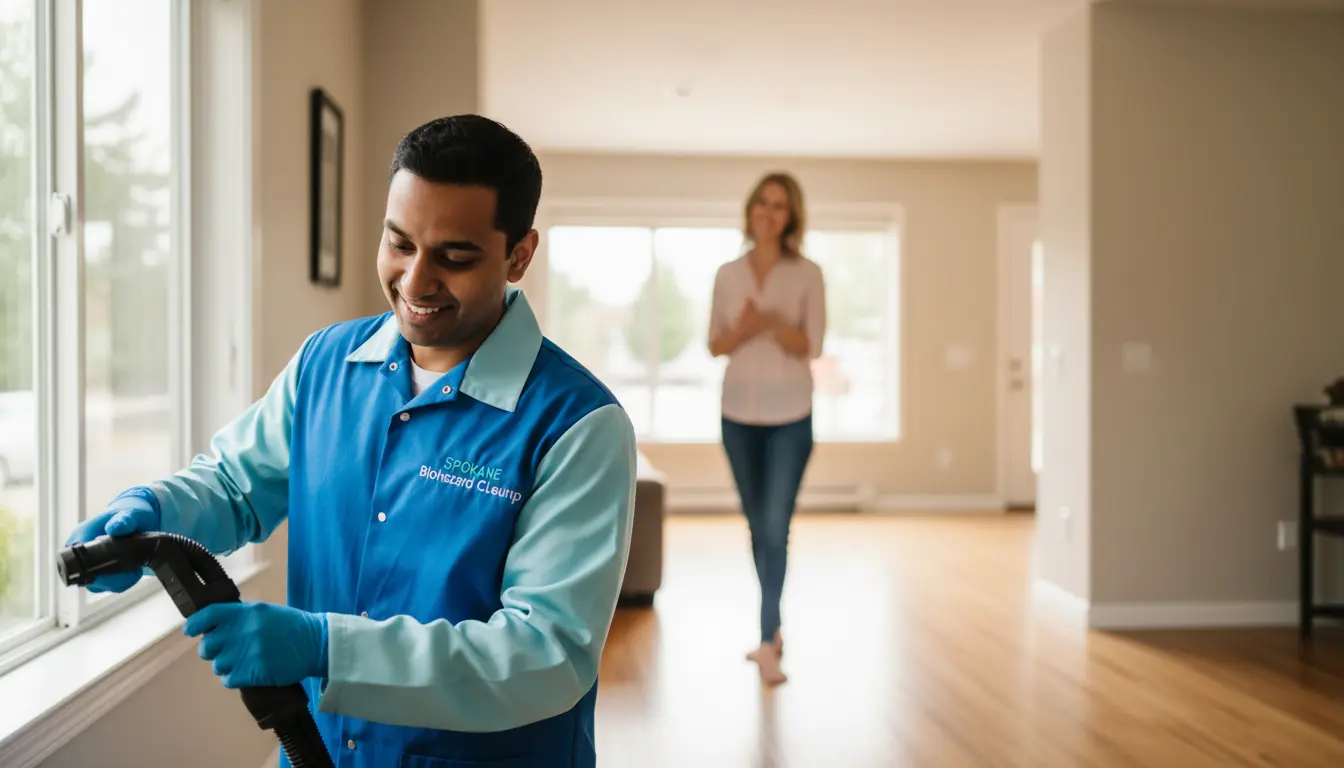

Dealing with a crime scene is one of the most distressing situations anyone can face. In Washington State, particularly in areas like Spokane, the aftermath of such events requires careful, professional handling to ensure safety and compliance with local regulations. As a resident or property owner in Spokane, understanding the basics of crime scene cleanup can empower you to take the right initial steps while emphasizing the importance of calling in experts like Spokane Biohazard Cleanup.
Crime scenes often involve biohazards such as blood, bodily fluids, and other contaminants that pose serious health risks if not managed properly. This guide will walk you through the process, offering practical advice tailored to Washington State’s guidelines. Whether you’re in Hillyard or Spokane Valley, knowing what to do—and what not to do—can make a significant difference.
Understanding Crime Scene Cleanup Regulations in Washington State
Washington State has strict regulations for handling biohazardous materials, governed by the Washington State Department of Labor & Industries and the Department of Health. These rules ensure that cleanup is performed safely to prevent the spread of infectious diseases.
Key Legal Requirements
Under Washington Administrative Code (WAC) 296-823, employers and individuals must follow bloodborne pathogens standards. This includes proper personal protective equipment (PPE) usage and decontamination protocols. For crime scenes, law enforcement typically secures the area first, but once released, cleanup falls to property owners or hired professionals.
In Spokane, local ordinances may require permits for waste disposal, especially for hazardous materials. Attempting DIY cleanup without certification can lead to fines or health violations. Always prioritize safety: biohazards like hepatitis or HIV can linger if not addressed correctly.
Why Professional Help is Essential
While basic awareness is helpful, crime scene cleanup demands specialized training. Companies like Spokane Biohazard Cleanup are licensed and insured to handle these situations discreetly and efficiently. Our team uses EPA-approved disinfectants and follows OSHA guidelines to restore properties safely.
Initial Steps After a Crime Scene Release
Once authorities release the scene, time is critical. Delaying cleanup can exacerbate contamination and odors.
Securing the Area
First, restrict access to the site to prevent accidental exposure. Use caution tape or locks, especially in high-traffic Spokane neighborhoods like Chief Garry Park. Notify neighbors if needed, but maintain privacy.
Documenting the Scene
Take photos for insurance purposes, but avoid disturbing evidence. In Washington State, insurance often covers professional crime scene cleanup services, so keep records handy.
Essential Safety Precautions for Handling Biohazards
Safety comes first. Never rush into cleanup without preparation.
Personal Protective Equipment (PPE)
Wear gloves, masks, goggles, and full-body suits. In Spokane’s variable weather, ensure gear is weather-resistant. Dispose of PPE as biohazardous waste—do not reuse.
Avoiding Common Mistakes
Don’t use household cleaners on blood spills; they can spread pathogens. Instead, for initial containment, sprinkle absorbent materials like cat litter on visible fluids. Professionals handle the rest, including blood spill removal with specialized tools.
Practical tip: If you’re in Browne’s Addition, where historic homes are common, protect delicate surfaces during cleanup to avoid costly damage.
Step-by-Step Guide to Crime Scene Cleanup Process
Here’s a breakdown of the professional process, which you can reference if coordinating with experts.
Assessment and Planning
Evaluate the extent of contamination. In Washington State, this includes checking for sharps like needles. Our sharps disposal handling service ensures safe removal without risk.
Removal of Biohazardous Materials
Professionals bag and label waste according to state guidelines. This step prevents cross-contamination, crucial in dense areas like Logan.
Cleaning and Disinfection
Surfaces are scrubbed with hospital-grade cleaners. For persistent issues, odor elimination services use advanced techniques like ozone treatment to neutralize smells.
Final Sanitization and Restoration
After disinfection, restore the area to its pre-incident condition. In Spokane, this might involve repairing walls or floors affected by prolonged exposure.
Actionable advice: If a sewer backup complicates the scene—common in older Spokane buildings—combine services for comprehensive sewer backup sanitization. Always test for pathogens post-cleanup.
Local Considerations for Spokane Residents
Spokane’s unique environment influences cleanup strategies. The Inland Northwest’s dry climate can preserve biohazards longer, while winter snow might delay access.
Navigating Urban vs. Rural Challenges
In urban spots like Hillyard, quick response times are key due to population density. Rural outskirts near Spokane Valley require mobile units for remote access. Spokane Biohazard Cleanup serves all areas promptly.
Insurance and Financial Assistance
Washington State’s Crime Victims Compensation Program may cover cleanup costs for eligible cases. Contact your insurer immediately and reference professional estimates from trusted providers.
Practical tip: For properties in flood-prone Logan, integrate biohazard cleanup with water damage protocols to address multiple hazards at once.
Emotional and Psychological Support
Beyond physical cleanup, crime scenes take an emotional toll. In Washington State, resources like the Spokane Crisis Line (509-838-4428) offer support.
Seek counseling if affected. Professionals handle the logistics so you can focus on healing.
FAQ: Common Questions About Crime Scene Cleanup in Washington State
1. How long does crime scene cleanup take in Spokane?
It varies by scene size, but most take 4-8 hours. Complex cases, like those with structural damage, may require days. Spokane Biohazard Cleanup provides timelines upfront.
2. Is crime scene cleanup covered by insurance in Washington State?
Yes, often under homeowners or property insurance. Some policies specify biohazard riders. We assist with claims to streamline the process.
3. Can I clean up a small crime scene myself?
No—Washington regulations prohibit untrained individuals from handling biohazards. Risks include health hazards and legal penalties. Always call professionals.
4. What if the scene involves a hoarding situation?
We specialize in compounded cleanups, combining biohazard removal with decluttering. Contact us for a customized plan.
5. How do I dispose of biohazard waste legally in Spokane?
Only certified facilities accept it. We manage transport and disposal per state laws, ensuring compliance.
Conclusion: Trust Spokane Biohazard Cleanup for Peace of Mind
Handling crime scene cleanup in Washington State demands expertise, caution, and adherence to regulations. From initial assessment to final restoration, the process protects health and property. In Spokane, where communities are tight-knit, discreet and efficient service is paramount.
Don’t risk your safety—leave it to the professionals at Spokane Biohazard Cleanup. We’re available 24/7 to serve areas like Browne’s Addition, Hillyard, and beyond. Call us today at (509) 508-5797 for compassionate, reliable biohazard cleanup. Restore your space and reclaim your peace.